
Among Sensex firms, Infosys, Bharti Airtel, Adani Ports, Sun Pharma, Tech Mahindra, Eternal, Axis Bank and Maruti were the major laggards. However, ITC, UltraTech Cement, Tata Steel and HDFC Bank were among the gainers.

Sensex and Nifty post steepest weekly loss in over a year, falling nearly 3 per cent.

The Reserve Bank of India's 2024 norms for the voluntary conversion of Small Finance Banks (SFBs) into universal banks, particularly the subjective 'diversified loan portfolio' criterion, are proving to be a significant hurdle, with Ujjivan SFB and Jana SFB having their applications returned.

Benchmark stock indices Sensex and Nifty closed higher on Thursday, helped by a rally in blue-chip Larsen & Toubro and the Economic Survey projecting the GDP growth of 6.8-7.2 per cent for the next fiscal.

From the Sensex firms, Bajaj Finance, Infosys, Hindustan Unilever, ICICI Bank, HCL Tech, UltraTech Cement, Bajaj Finserv, State Bank of India, Tata Consultancy Services, Reliance Industries, Axis Bank and Larsen & Toubro were among the major gainers. However, Trent, Tata Steel, Tech Mahindra and Maruti were among the laggards.

Amidst a sharp run-up in gold and silver prices, investors are advised to rebalance their portfolios by booking partial profits in precious metals and reallocating to domestic equities and debt, according to financial experts.
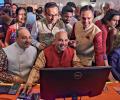
Among the Sensex shares, Infosys, Tata Motors, Axis Bank, Adani Ports, Mahindra & Mahindra, HDFC Bank, Larsen & Toubro, Tata Steel, BEL and Power Grid were among the lead gainers. Kotak Mahindra Bank, ICICI Bank, Bharti Airtel, Asian Paints, Bajaj Finserv, and Titan were the among the laggards.
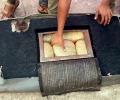
The Narcotics Control Bureau (NCB) has arrested a major Myanmar-based drug trafficker in Delhi, who was a key supplier of methamphetamine and heroin. The arrest follows extensive surveillance and coordinated operations targeting transnational drug trafficking networks along the India-Myanmar border.
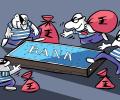
Private sector banks that announced their earnings for the October-December quarter (Q3) of 2024-25 (FY25) reported a rise in credit costs due to higher provisions, mainly for unsecured retail loans.

'However, this process will take some time. Depending on the approval timeline, it may span a few quarters.'

Among Sensex firms, Bajaj Finance, Bajaj Finserv, Reliance Industries, HDFC Bank, Tech Mahindra and Axis Bank were the major gainers. However, Asian Paints, HCL Tech, Titan and Hindustan Unilever were among the laggards.

Among the Sensex constituents, Eternal, Tata Steel, Kotak Mahindra Bank, UltraTech Cement, Maruti Suzuki India, Sun Pharmaceuticals, Tech Mahindra, HDFC Bank, Tata Motors Passenger Vehicles, Infosys, Trent, Mahindra & Mahindra, Reliance Industries and HCL Technologies were the gainers. However, Asian Paints, Bharti Airtel, Bajaj Finance, PowerGrid, Axis Bank, ICICI Bank and Titan were among the laggards.
The Narcotics Control Bureau (NCB) has arrested a major Myanmar-based drug trafficker in Delhi, who was a key supplier of methamphetamine and heroin across the India-Myanmar border. The arrest follows extensive surveillance and investigations into transnational drug trafficking networks.
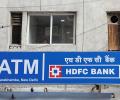
With a deployment of Rs 2,720 crore in July, MFs' total investment in HDFC Bank in calendar year 2024 (till now) surged to Rs 48,820 crore.

Public sector banks' (PSBs') employee count grew for the first time in five years while private sector banks' staff strength saw a decline in 2024-25 (FY25), according to latest data released by the Reserve Bank of India (RBI). The employee count of state-owned lenders rose 0.22 per cent year-on-year (Y-o-Y) to 757,641 at the end of March 31, 2025 from 756,015 in FY24.
From the Sensex pack, Eternal, Bharat Electronics Ltd, Trent, Axis Bank, State Bank of India, Bajaj Finance, Sun Pharmaceuticals, Asian Paints, Adani Ports, Hindustan Unilever, Reliance Industries, ITC, PowerGrid, Tata Motors Ltd's Commercial Vehicles business, and Bajaj Finserv were the gainers. Infosys, Tata Motors Passenger Vehicles, Tata Steel, ICICI Bank, Tech Mahindra, Titan, UltraTech Cement, Maruti Suzuki India, and Larsen & Toubro were the laggards.

The RBI said it had not found initial evidence of money laundering against the three banks.

From the Sensex pack, NTPC, Bajaj Finance, Kotak Mahindra Bank, Axis Bank, Nestle, Larsen & Toubro, Tata Motors, ICICI Bank, Power Grid and Zomato were among the gainers. However, Infosys, Tata Steel, Mahindra & Mahindra, Titan and Bajaj Finserv were among the laggards.

Mutual funds (MFs) - flush with cash amid record inflows in July - invested heavily in the Rs 25,000-crore qualified institutional placement (QIP) of India's largest lender State Bank of India (SBI). Fund managers acquired SBI shares worth Rs 10,200 crore last month, making the lender their biggest buy in July.

From the Sensex pack, Asian Paints, UltraTech Cement, Power Grid, ICICI Bank, Reliance Industries, Hindustan Unilever, Bharat Electronics and Sun Pharma were among the major gainers. In contrast, Trent, Eternal, Axis Bank and Titan were among the laggards.
Among Sensex firms, Bajaj Finance and Bajaj Finserv were the biggest gainers. Asian Paints, Larsen & Toubro, Trent, UltraTech Cement, Eternal and Adani Ports were also among the winners. However, Tata Motors, Infosys, Tech Mahindra and Axis Bank were among the laggards.

Among Sensex firms, Tech Mahindra, Infosys, Bajaj Finance, Bajaj Finserv, Eternal, Adani Ports, Hindustan Unilever and Bharat Electronics were the major laggards. However, Bharti Airtel, Axis Bank, Asian Paints and Titan were among the gainers.

Bajaj Finance, Bharat Electronics, Tata Steel, Tata Consultancy Services, NTPC, Trent, Asian Paints and Axis Bank were the major laggards among Sensex stocks. However, Tech Mahindra, ICICI Bank, Power Grid, Hindustan Unilever and Reliance Industries were among the gainers.

Among the Sensex firms, Infosys, HCL Technologies, Bajaj Finance, Asian Paints, Tata Motors Passenger Vehicles, Tata Consultancy Services, Bharti Airtel, Titan, Bajaj Finserv, Reliance Industries and Larsen & Toubro were the gainers. Trent Ltd, Eternal, Power Grid, UltraTech Cement, Mahindra & Mahindra, Axis Bank, State Bank of India, Adani Ports, Hindustan Unilever and NTPC were the laggards.
From the Sensex pack, NTPC, Tech Mahindra, Zomato, Axis Bank, Bajaj Finance, Infosys, Maruti, State Bank of India, Kotak Mahindra Bank, Reliance Industries, Hindustan Unilever, and HDFC Bank were the losers. IndusInd Bank, HCL Tech, Titan, Mahindra & Mahindra and Power Grid were the gainers.

Axis Bank Managing Director & Chief Executive Officer Shikha Sharma on the new mechanism for non-performing loans, the bank's loan portfolio, industry outlook and the bank's future plans.
From the Sensex pack, NTPC, Kotak Mahindra Bank, State Bank of India, Tech Mahindra, Power Grid, Bajaj Finserv, Axis Bank, HCL Tech, Reliance Industries and Bajaj Finance were the biggest gainers. Titan, IndusInd Bank, Zomato, Mahindra & Mahindra, Bharti Airtel, Nestle and Infosys were the laggards.

From the Sensex firms, Tata Steel climbed the most by 3.40 per cent, followed by Power Grid, Axis Bank, Kotak Mahindra Bank, Larsen & Toubro, Bharat Electronics and Bharti Airtel. In contrast, Tech Mahindra, Maruti, UltraTech Cement and Bajaj Finserv were among the major laggards.
Among Sensex firms, Trent, Tech Mahindra, Hindustan Unilever, UltraTech Cement, Asian Paints, Eternal and ITC were the major laggards. Selling in HDFC Bank and ICICI Bank also dragged the key indices. However, Axis Bank, Bajaj Finance, Maruti and State Bank of India were among the gainers.
Among Sensex firms, Maruti, Axis Bank, Larsen & Toubro, ICICI Bank, Bharti Airtel, Infosys, Adani Ports and Hindustan Unilever were the laggards. However, Titan, State Bank of India, Eternal and Trent were among the major gainers.
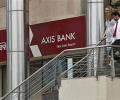
The non-watchlist stress emanated from over five year-old loans in the iron and steel, infrastructure and construction sectors.
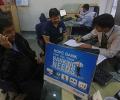
HDFC Bank on Tuesday said RBI has given approval to the group to acquire up to 9.5 per cent stake each in six lenders, including ICICI Bank and Axis Bank.
From the Sensex firms, Kotak Mahindra Bank, Titan, Axis Bank, Adani Ports, Mahindra & Mahindra, Reliance Industries, Tata Motors and HDFC Bank were among the major gainers. However, Eternal and Infosys were the laggards.
Ask rediffGURU Naveenn Kummar your insurance mutual fund and personal finance-related questions.

With rising credit demand, cleaner balance sheets, and renewed investor confidence, banks are positioned at the forefront of the market rally. From major players like ICICI and HDFC to broader policy shifts, there's much driving this momentum.
With rising credit demand, cleaner balance sheets, and renewed investor confidence, banks are positioned at the forefront of the market rally. From major players like ICICI and HDFC to broader policy shifts, there's much driving this momentum.
With rising credit demand, cleaner balance sheets, and renewed investor confidence, banks are positioned at the forefront of the market rally. From major players like ICICI and HDFC to broader policy shifts, there's much driving this momentum.
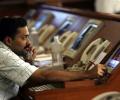
Among Sensex firms, Eternal, Tata Motors, State Bank of India, Adani Ports, NTPC, IndusInd Bank, Bajaj Finance, Asian Paints, Axis Bank and Sun Pharma were the major losers. Bharti Airtel, Tata Steel, Mahindra & Mahindra, Hindustan Unilever, Nestle and Maruti were among the gainers.

The Indian IPO market is experiencing a significant surge in preliminary filings, with 38 companies submitting papers to SEBI in March 2026, driven by a combination of improved issuer confidence, strategic regulatory compliance, and private equity investors seeking exits amidst volatile market conditions.
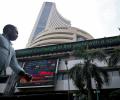
From the Sensex pack, Asian Paints, ICICI Bank, PowerGrid, Larsen & Toubro, Bajaj Finserv, Bharti Airtel, Sun Pharmaceuticals, Maruti Suzuki India, Axis Bank, UltraTech Cement and HCL Technologies were the only gainers. On the other hand, Eternal, Tata Motors' commercial vehicles arm, Mahindra & Mahindra, Tata Steel, Bharat Electronics Ltd, Tata Motors Passenger Vehicles, Trent, Tata Consultancy Services, Hindustan Unilever, and Infosys were among the laggards.
